A Love Letter to Valencia
Top Things to Do in Valencia
Posted on 10-04-26, updated on 19-05-26By: Claire S. | 6 minute read

Valencia might not always be the first Spanish city people think of, that usually goes to Barcelona or Madrid, but that’s exactly what makes it so special. It’s a place that combines culture, great food, beaches, and a relaxed pace of life without the overwhelming crowds of bigger destinations.
Why Visit Valencia?
Valencia is ideal if you want variety without chaos. You can explore a medieval old town in the morning, walk through a lush park in the afternoon, and be at the beach by sunset, all within the same day.
It’s also more affordable than other major Spanish cities, especially when it comes to food and accommodation. And while it’s popular, it still feels more local and less crowded.
If you’re planning a trip, Valencia offers a well-balanced experience: historic neighborhoods, modern architecture, green spaces, and easy access to the sea. Here’s what you need to know to make the most of it.
El Carmen, Old Town
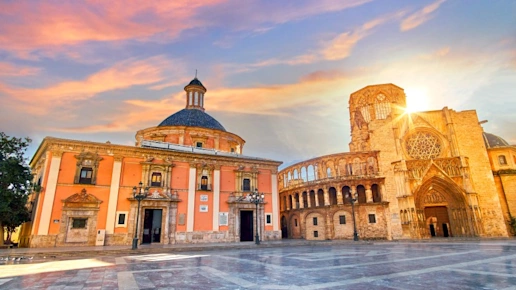
This is the historic heart of Valencia and the best place to start your trip. It’s compact, atmospheric, and full of layers, Roman, Moorish, medieval, and modern all in one place.
As you walk through El Carmen, you’ll notice how quickly the scenery changes. One street might feel centuries old, while the next is covered in bold street art or lined with trendy cafés and bars.

Turia Gardens (Jardín del Turia)
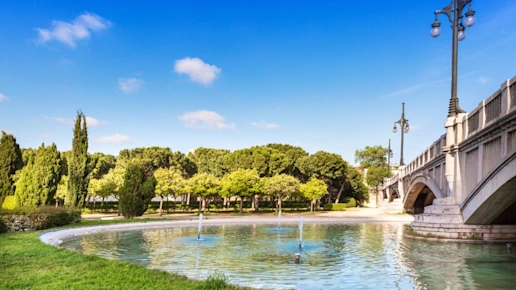
The Turia Gardens are one of Valencia’s standout features and something you won’t find in most cities. After a flood in the 1950s, the river was diverted, and the old riverbed was transformed into a long, green park that stretches nearly 9km through the city. It’s not just a park, it’s a central part of daily life in Valencia. It also connects many of the city’s main attractions, making it both scenic and practical.

City of Arts and Sciences
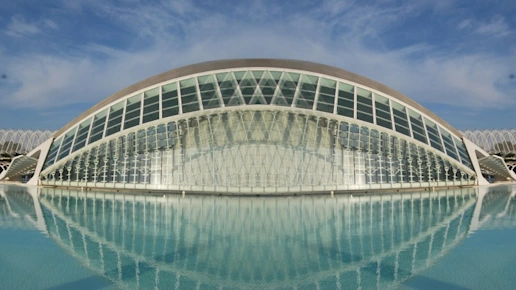
This is Valencia’s most recognisable landmark and a complete contrast to the old town. Designed by Santiago Calatrava, the complex looks futuristic, almost like a set from a sci-fi film, with white, curved structures surrounded by reflective pools. Even if you’re not into museums, it’s worth visiting just to experience the scale and design.

Mercado Central
Mercado Central is one of the best places to experience Valencia’s food culture in a casual, authentic way. Housed in a beautiful modernist building with high ceilings and stained glass, it’s both a working market and a popular spot for visitors. It’s not just for tourists, locals shop here daily. That means the quality is high, and the atmosphere feels genuine rather than staged.

Malvarrosa Beach
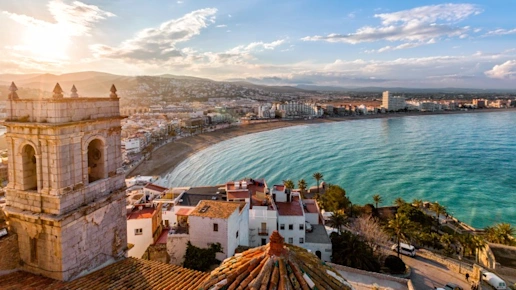
Valencia’s main beach is just a short tram, bus, or bike ride from the city centre, making it easy to combine with sightseeing. It’s wide, sandy, and well-maintained, with plenty of space even during busier months.


What to Eat (And Where)
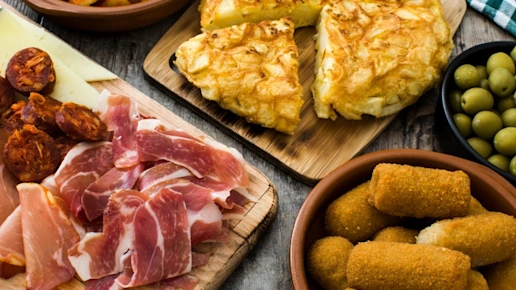
Food is a central part of any visit to Valencia, and it’s one of the easiest ways to connect with the city’s culture. The cuisine here is rooted in local ingredients, tradition, and simplicity, done well.
While paella gets most of the attention (rightly so), there’s much more to try if you want a well-rounded food experience.
Must-Try Dishes
1. Paella Valenciana This is the original version of paella, not the seafood-heavy version many people expect | Traditionally made with chicken, rabbit, green beans, and saffron Cooked in a wide, shallow pan over an open flame The best versions have a slightly crispy base layer (called socarrat) Where to try it: Restaurants slightly outside the historic center Beachfront spots around Malvarrosa (some are touristy, but there are good options) The Albufera region (just outside Valencia) for the most authentic experience |
2. Horchata with Fartons A classic Valencian refreshment, especially in warmer months. | Horchata is a cold, slightly sweet drink made from tiger nuts (chufa) Fartons are soft, elongated pastries designed for dipping Where to try it: Traditional horchaterías like those in Alboraya (just outside the city, considered the home of horchata) Local cafés around the city centre |
3. Fresh Seafood Valencia’s coastal location means excellent seafood, particularly near the beach. | Grilled fish, calamari, prawns, and seafood rice dishes Often served simply with olive oil, garlic, and lemon Where to try it: Restaurants along Malvarrosa or Patacona Beach Less touristy spots a few streets back from the promenade |
4. All i Pebre A lesser-known but very traditional Valencian dish. | A rich stew made with eel, garlic, paprika, and potatoes Originates from the nearby Albufera lagoon Why try it: It’s more local and less commonly found outside the region, making it a good choice if you want something authentic beyond paella. |
5. Esgarraet A simple but flavourful tapa. | Made with roasted red peppers, salted cod, garlic, and olive oil Usually served with bread Why try it: |
6. Agua de Valencia A local cocktail worth trying at least once. | Made with orange juice, cava, vodka, and gin Fresh, slightly sweet, and stronger than it tastes Tip: It’s easy to underestimate, pace yourself! |
A Simple Food Itinerary
If you’re in Valencia for a few days, here’s an easy way to structure your food experiences:
Day 1:Mercado Central lunch + tapas in the evening
Day 2: Proper paella lunch + drinks in Ruzafa
Day 3: Beachside seafood dinner + horchata break

When to Visit
Valencia is a true year-round destination thanks to its mild Mediterranean climate, but the time you choose to visit will shape the pace, activities, and overall feel of your trip.
Here’s a more detailed breakdown to help you decide what suits your travel style.
Spring (March–May): Best All-Round Season Spring is widely considered the best time to visit Valencia. | Weather: Warm but comfortable (typically 15–25°C), ideal for walking and cycling Atmosphere: Lively without peak summer crowds Nature: Parks and gardens, especially the Turia Gardens, are at their best This is the perfect time to explore the city on foot, enjoy outdoor dining, and experience a balance of culture and relaxation. Las Fallas (March) Valencia’s most famous festival takes place in mid-March and completely transforms the city. Giant artistic sculptures (fallas) are built across the city Daily fireworks and nighttime displays Street parties, music, and a constant festive atmosphere The final night includes the burning of the sculptures (La Cremà) Tip: |
Summer (June–August): Beach Season Summer in Valencia is hot, sunny, and focused around the coast. | Weather: Hot (often 28–35°C), with strong sun Atmosphere: Busy, especially in July and August Best for: Beach days, evening dining, and nightlife The city slows down during the hottest part of the day, and locals tend to stay indoors or rest in the afternoon. Tips: Plan sightseeing early in the morning or later in the evening Stay somewhere with air conditioning Combine city exploring with beach time to balance the heat |
Autumn (September–October): Underrated Sweet Spot Autumn is one of the best times to visit if you want good weather with fewer crowds. | Weather: Warm (20–28°C), often still suitable for the beach Atmosphere: More relaxed as peak tourist season fades Sea temperature: Still warm from summer This is a great time to enjoy everything Valencia offers without the intensity of summer. Tip: |
Winter (November–February): Quiet and Mild Winter in Valencia is much milder than in most of Europe, making it a good option for an off-season city break. | Weather: Mild (10–18°C), with plenty of sunny days Atmosphere: Slower, and less touristy Best for: Sightseeing, food, and a more local experience While it’s not beach weather, the city is still very enjoyable. Tips: Bring layers, mornings and evenings can be cooler Take advantage of quieter museums and restaurants How to Choose the Best Time for |

FAQ: Visiting Valencia
How many days do you need in Valencia?
Most travellers find that 3 to 5 days is the ideal amount of time to experience Valencia. In a long weekend, you can cover the main highlights like the old town, Turia Gardens, and the City of Arts and Sciences. With a few extra days, you can explore at a slower pace, spend time at the beach, and enjoy more of the local food scene without rushing.
Is Valencia suitable for families?
Yes, Valencia is very family-friendly. The city has plenty of open spaces, including the Turia Gardens, which features playgrounds and wide areas for cycling and walking. Attractions like the Oceanogràfic aquarium and interactive museums also make it a great destination for children.
Do you need a car to get around Valencia?
No, a car isn’t necessary within the city. Valencia has reliable public transport, and most key attractions are easily accessible by foot, bike, or tram.
Is Valencia easy to explore on foot?
Yes, especially in the old town and central areas. Many of the main sights are close together, making walking one of the best ways to explore.

What Makes Valencia Different (And Why It’s Worth Visiting)
What really sets Valencia apart isn’t just its individual attractions, it’s how well everything fits together.
Few cities offer this kind of balance. You can explore historic streets in the morning, cycle through a green park in the afternoon, and be at the beach by evening, all without long travel times or complicated planning. The city is compact, easy to navigate, and designed in a way that makes exploring feel effortless.
There’s also no pressure to rush. Valencia naturally encourages a slower pace. You can take your time over meals, wander without a strict itinerary, and still see a lot in just a few days. Whether you prefer a structured trip or something more relaxed, the city adapts easily to both.
If you’re looking for a destination that’s well-rounded, easy to explore, and slightly under the radar, Valencia is a strong choice, and one that often exceeds expectations.