A Foodie’s Guide to Andalusia
Tapas, Wine and Local Specialties
Posted on 09-04-26By: Claire S. | 8 minute read

Sun-drenched and rich in flavour, Andalusia is one of Spain’s most captivating culinary regions. From bustling tapas bars in Seville to fragrant market stalls in Málaga, food here is a way of life, best enjoyed slowly, and always shared. Expect plates of jamón, freshly grilled seafood, and chilled glasses of local sherry. Dining out feels effortless, with each stop offering something new to savour. For villa holiday guests, it is the perfect invitation to explore, gather local ingredients, and recreate the magic at home, blending discovery with the comfort of your own private space.

What makes Andalusian food so unique?
Andalusian cuisine is a beautiful reflection of southern Spain’s layered history, shaped by Moorish influences, sun-soaked landscapes, and the rhythm of coastal living. Spices like cumin and saffron hint at its past, while citrus, almonds, and honey bring a subtle sweetness that lingers on the palate.
Here, food begins with what grows nearby. Vine-ripened tomatoes, glossy olives, and golden olive oil form the foundation of many dishes, elevated by simple, time-honoured techniques. Along the coast, the daily catch inspires plates of lightly fried fish and grilled seafood, enjoyed just steps from the sea.
It is this balance of land and sea, heritage and simplicity, that defines traditional food in southern Spain. Every bite feels fresh, generous, and effortlessly prepared, inviting you to slow down, savour, and share.

What are tapas and how do you eat them like a local?
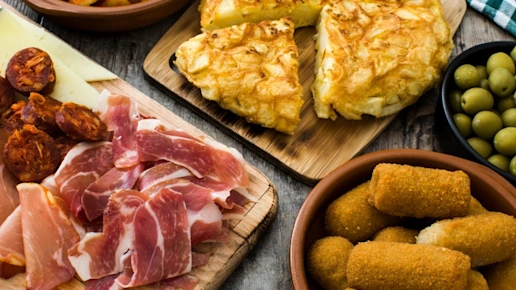
Tapas are the heart of Andalusian cuisine, small, flavourful dishes designed for sharing and savouring over good conversation. From slices of jamón ibérico to sizzling garlic prawns and crisp croquettes, tapas turn a simple meal into a social ritual, rooted in connection and discovery.
Eating tapas like a local is all about embracing the rhythm. Rather than settling in one spot, hop between lively bars, sampling a dish or two at each stop. Order a mix for the table, something fresh, something fried, something to sip alongside, and let the evening unfold naturally.
You will often find locals standing at the bar, plates balanced casually, chatting with friends or the bartender. It is informal, unhurried, and wonderfully spontaneous. There is no strict order, no need to overplan, just follow your appetite and curiosity.
For villa holidays, it is a ritual worth recreating. Gather olives, cheeses, and local wine, and let each bite bring a taste of Andalusia to your own sunlit terrace.

Which tapas dishes should you try in Andalusia?
In Andalusia, tapas are more than a meal, they are a delicious introduction to the region’s character, history, and way of life. Each dish tells a story, best enjoyed slowly, with a glass in hand and good company nearby.
Start with jamón ibérico, delicately cured ham with a rich, melt-in-the-mouth texture, often served simply to let its quality shine. Then there is gazpacho, a chilled tomato soup blended with olive oil, garlic, and peppers, offering a refreshing pause from the midday sun.
Seafood lovers will find plenty to savour along the coast. Gambas al ajillo, prawns sizzling in garlic and olive oil, arrive at the table fragrant and full of flavour, while boquerones fritos, lightly fried anchovies, are crisp, golden, and best enjoyed by the sea.
For something heartier, try albóndigas, tender meatballs in a rich tomato sauce, or patatas bravas, crispy potatoes topped with a gently spiced sauce. And of course, no tapas table feels complete without tortilla española, a soft, comforting omelette of potatoes and eggs, served in generous slices.
What makes these traditional Spanish tapas so special is their simplicity. Rooted in local ingredients and time-honoured methods, they celebrate flavour without fuss. Order a few, share generously, and let each dish bring you closer to the essence of Andalusia.
What are the must-try classic tapas?
No tapas table is complete without a few timeless favourites. Tortilla española is a staple, a soft, golden omelette layered with potatoes and olive oil, served in thick slices that feel both comforting and indulgent. Croquetas follow close behind, crisp on the outside, irresistibly creamy within, often filled with ham, cheese, or seafood. And then there is jamón ibérico, delicately cured and deeply savoury, best enjoyed in thin slices that melt slowly on the tongue. These classic tapas showcase the beauty of simple ingredients, handled with care and meant to be shared, salud.
Which regional specialities are unique to Andalusia?
Andalusia brings its own flair to the tapas table, shaped by sun, sea, and tradition. Salmorejo, a thicker, creamier cousin of gazpacho, blends ripe tomatoes, bread, garlic, and olive oil into a silky, refreshing dish, often topped with egg and jamón. Along the coast, pescaíto frito is a must, lightly battered fish fried to golden perfection, served simply with a squeeze of lemon. And of course, gazpacho itself, cool and vibrant, captures the essence of southern Spain in every sip. Each dish feels rooted in place, fresh, honest, and full of flavour.
Are there vegetarian options in Andalusian cuisine?
Vegetarian tapas are easy to find and just as satisfying. Think grilled seasonal vegetables drizzled with olive oil, local cheeses full of character, and fresh salads bursting with tomatoes, peppers, and herbs. Simple, vibrant, and made for lingering over in the sun.

Where can you find the best food experiences in Andalusia?
Andalusia is a region best explored through its flavours, where every city, village, and coastline brings something deliciously distinct to the table. From lively urban tapas scenes to quiet, sun-dappled squares, knowing where to eat in Andalusia is part of the adventure.
In the cities, food feels vibrant and ever-evolving. Bustling bars spill onto cobbled streets, plates clink, and the scent of grilled seafood drifts through the evening air. Yet just beyond, smaller towns offer a slower, more traditional rhythm, where recipes are passed down and ingredients come straight from the land.
For villa holidays, this variety is part of the charm. Spend one evening exploring a lively food city, the next gathering fresh market produce to enjoy back on your terrace, glass in hand. It is this balance of discovery and comfort that makes Andalusia such a rewarding destination for food lovers.
Which cities are best for tapas and dining out?
For a true taste of Andalusia’s food cities, Seville, Granada, and Málaga each offer their own irresistible charm. Seville is all atmosphere, with traditional tapas bars and hidden squares where evenings stretch long into the night. Granada delights with its generous tapas culture, where small plates often accompany your drink, inviting you to sample more with every stop. Málaga, set by the sea, blends classic and contemporary, serving everything from freshly fried fish to modern Andalusian dishes. Together, they create a rich, varied dining scene that rewards curiosity.
Can you enjoy authentic food in villages and smaller towns?
Absolutely, and often it is here that Andalusian cuisine feels most authentic. In whitewashed villages and rural towns, cooking remains deeply rooted in tradition, shaped by seasonal produce and local pride. Menus are simple but full of flavour, think slow-cooked stews, garden vegetables, and olive oil pressed nearby.
Markets brim with just-picked fruit, regional cheeses, and freshly baked bread, perfect for creating your own leisurely feast back at the villa. There is a quiet joy in these places, where meals are unhurried, hospitality is warm, and every bite feels connected to the land. It is Andalusia at its most genuine.
If you're looking for more local knowledge then read our comprehensive travel guide on Andalusia.

What wines and drinks should you try in Andalusia?
Andalusia’s drinks are as characterful as its cuisine, shaped by sun-soaked vineyards, coastal breezes, and centuries of tradition. From crisp whites to fortified wines, each sip is designed to complement the region’s bold yet simple flavours.
Wine lovers will find plenty to explore. Light, dry whites pair beautifully with seafood, while fuller reds work effortlessly alongside rich meats and slow-cooked dishes. Yet it is sherry from Jerez that truly defines Andalusia’s wine heritage, offering a spectrum of styles to suit every palate.
Beyond wine, local drinks add to the experience. A chilled glass in hand, plates of tapas on the table, and the gentle hum of conversation around you. Whether you are dining out or recreating the moment back at your villa, these drinks bring a deeper sense of place to every meal.
Why is sherry from Jerez so famous?
Sherry, or vino de Jerez, is one of Spain’s most iconic wines, produced exclusively in the region around Jerez. What makes it so special is its variety. From pale, dry fino and manzanilla, perfect with olives and seafood, to richer amontillado and deeply complex oloroso, ideal alongside hearty dishes, each style offers something unique.
A visit to a traditional bodega reveals the magic behind it, rows of oak barrels, cool cellars, and time-honoured ageing methods. Tasting sherry here feels immersive, a true celebration of Andalusia’s craftsmanship and flavour.
What other local drinks are worth trying?
Beyond sherry, Andalusia offers a delightful mix of local drinks to discover. Regional wines, often produced in small batches, reflect the landscape, fresh, expressive, and perfect for long lunches. Vermouth, served over ice with a slice of orange, is enjoying a quiet revival and makes for a leisurely aperitif.
For warmer days, refreshing options like tinto de verano, a light blend of red wine and citrus soda, are a local favourite. Simple, cooling, and made for sunny afternoons.

FAQ: Eating and drinking in Andalusia
What time do people eat in Andalusia?
In Andalusia, meals follow a relaxed, sun-led rhythm. Lunch is typically enjoyed in the mid afternoon, often between 2 and 4pm, when the day is at its warmest. Dinner comes later, rarely before 8:30pm, and often stretches into the evening. It is a pace that invites you to slow down, linger a little longer, and savour every bite.
Is eating out expensive in Andalusia?
Eating out in Andalusia is very accessible, especially when it comes to tapas. Small plates are often reasonably priced, making it easy to sample a variety of dishes without overindulging your budget. Whether you are in a lively city or a quiet village, great food here feels generous, both in flavour and value.
Do you need to tip in restaurants?
Tipping in Andalusia is appreciated but never expected. A small gesture, such as rounding up the bill or leaving a few coins, is a kind way to show thanks for good service. The atmosphere remains relaxed and unpressured, just as dining should be.
Are food markets worth visiting?
Absolutely. Local food markets are at the heart of Andalusian life, filled with vibrant produce, fresh seafood, and the scent of just-baked bread. They are perfect for soaking up the atmosphere, chatting with local vendors, and gathering ingredients for a leisurely meal back at your villa.

Final thoughts: Why food is at the heart of any Andalusia trip
An Andalusia food experience lingers long after the last bite. It is not just about what is on the plate, but how it is shared, slowly, sociably, and with a sense of place. From bustling tapas bars to quiet village kitchens, every meal tells a story of tradition, landscape, and local pride.
To truly embrace Spain culinary travel, step beyond the familiar. Follow the locals, try something unexpected, and let each dish guide your journey. Whether dining out or gathering flavours for your own villa table, food becomes more than a highlight, it becomes the memory itself.