The Ultimate Andalusia Travel Guide
Cities, Culture and Coast
Posted on 08-04-26By: Claire S. | 9 minute read

Sun-drenched, soulful, and effortlessly captivating, Andalusia invites you to slow down and savour every moment. From the cobbled charm of Seville and Granada’s Moorish grandeur to the easy rhythm of the Costa del Sol, this is a region rich in contrast and colour. Expect long, lazy lunches, the scent of orange blossom in the air, and evenings that stretch long past sunset.
For those looking for a holiday in Andalusia, a private villa offers the perfect base, blending space, comfort, and that coveted sense of home. Wondering where to stay in Andalusia? Start with a place that lets you truly settle in.

Where is Andalusia and why is it so popular with travellers?
Tucked into the sun-soaked south of Spain, Andalusia stretches from the golden beaches of the Mediterranean to the rugged peaks of the Sierra Nevada. Easily reached from the UK with direct flights to Málaga, Seville, and Granada, it feels wonderfully far from everyday life, yet reassuringly close.
So why visit Andalusia, Spain? It’s the effortless blend of climate, culture, and landscape that keeps travellers returning. Expect over 300 days of sunshine, olive groves rolling into the horizon, and whitewashed villages glowing in the afternoon light. Cities like Seville and Córdoba hum with history, where flamenco rhythms echo through ancient streets, while the coast offers a slower pace, perfect for long lunches and sea-view siestas.
For those considering Andalusia and what makes it special, it is a place that invites you to linger, not rush.

Which cities should you visit in Andalusia?
Andalusia’s cities are where its spirit truly comes alive, each one offering its own rhythm, flavour, and story. From grand plazas to lantern-lit alleyways, these are some of the best cities in Andalusia to explore at an unhurried pace, where getting lost is half the joy.
Seville, Granada, and Córdoba form a natural trio, each within easy reach of the other and wonderfully walkable. In Seville, orange trees line elegant boulevards, while hidden courtyards reveal themselves behind carved wooden doors. Granada rises dramatically with the Sierra Nevada as its backdrop, blending mountain air with Moorish mystery. Córdoba, meanwhile, feels more intimate, its flower-filled patios and quiet lanes inviting you to slow down.
What makes these cities so special is not just their landmarks, but their atmosphere. Mornings begin with strong coffee in sunlit squares, afternoons drift between shaded streets and historic sites, and evenings are made for lingering over tapas as the air cools and conversation flows. This is Andalusia at its most evocative, rich in culture, yet effortlessly relaxed.
What makes Seville the cultural heart of Andalusia?
Seville pulses with life, a city where tradition and celebration are woven into everyday moments. It is widely considered the cultural heart of Andalusia, and it is easy to see why. Flamenco was born here, and you can still feel its emotion in intimate tablaos tucked along winding streets.
The city’s landmarks are equally captivating. The Real Alcázar enchants with its intricate tiles and lush gardens, while the vast Seville Cathedral, one of the largest in the world, stands as a testament to the city’s grandeur. Climb the Giralda tower for sweeping views over terracotta rooftops glowing in the late afternoon sun.
Yet it is Seville’s tapas culture that truly defines it. Evenings are spent drifting from bar to bar, sharing plates, stories, and laughter, as the city hums gently around you.
Why is Granada famous for the Alhambra?
Granada’s allure begins with the Alhambra, a breathtaking palace complex that crowns the city with quiet majesty. Its intricate carvings, tranquil courtyards, and reflecting pools speak of Andalusia’s rich Moorish heritage, making it one of Spain’s most treasured landmarks.
Beyond the Alhambra, the Albaicín district offers a glimpse into Granada’s past. Its maze of narrow, cobbled streets winds up the hillside, revealing whitewashed houses and hidden viewpoints that frame the palace against the mountains beyond. At sunset, the light softens, and the whole scene feels almost cinematic.
Granada’s setting adds another layer of magic. With the Sierra Nevada nearby, you can move from snowy peaks to sunlit terraces in a single day. It is this blend of history, landscape, and atmosphere that makes Granada unforgettable.
Is Córdoba worth visiting for a day or longer?
Córdoba may be smaller than its neighbours, but it leaves a lasting impression. At its heart lies the Mezquita, an architectural marvel where rows of striped arches create a sense of calm and wonder unlike anywhere else in Spain.
The surrounding old town is a joy to explore on foot, with quiet lanes, hidden patios, and bursts of colour from cascading flowers. There is a gentler pace here, one that encourages you to pause, linger, and take it all in.
While many visit Córdoba as a day trip, staying a little longer reveals its quieter charm. Early mornings and late evenings, when the streets soften into stillness, are when the city feels most magical.

What are the best villages to experience authentic Andalusia?
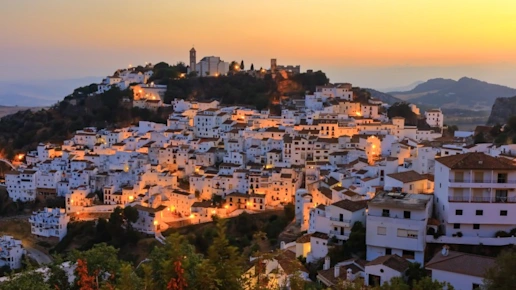
Beyond its headline cities, Andalusia’s soul reveals itself in its villages, where time slows and every corner feels touched by sunlight. The famed Andalusia white villages, or pueblos blancos of Spain, are scattered across hillsides and valleys, their whitewashed houses glowing against deep blue skies and olive-green landscapes.
Ronda is perhaps the most dramatic, perched high above a plunging gorge. Its views are unforgettable, especially at golden hour when the countryside stretches endlessly beyond the cliffs. Frigiliana, near the Costa del Sol, offers a softer charm, with winding cobbled streets, flower-filled balconies, and glimpses of the sea shimmering in the distance. It is a place made for slow wandering and long, lingering lunches.
Mijas blends mountain beauty with coastal proximity, its quiet lanes and shaded plazas inviting you to pause and simply be. Across these villages, life moves gently, shaped by tradition, conversation, and simple pleasures.

Where are the best beaches and coastal areas in Andalusia?
Andalusia’s coastline is as varied as it is beautiful, stretching from the Mediterranean’s sun-soaked shores to the wild, windswept Atlantic. Whether you are seeking vibrant beach life or something more serene, the region offers some of the most rewarding Andalusia beaches to explore.
The Costa del Sol is the most well-known stretch, loved for its golden sands, lively atmosphere, and effortless accessibility. Further east, the Costa Tropical offers a more laid-back feel, where hidden coves and lush hillsides create a softer, slower rhythm. To the west, the Costa de la Luz feels refreshingly untouched, with wide, sandy beaches and a sense of space that invites you to truly unwind.
What makes the best coast in Andalusia so appealing is its balance. You can spend sun-filled days by the sea, then wander into nearby villages or cities for long dinners and cultural discoveries as the evening draws in.
What is the Costa del Sol known for?
The Costa del Sol is synonymous with easy, sun-drenched holidays. Just a short transfer from Málaga airport, it offers long stretches of sandy beaches, calm waters, and a welcoming, family-friendly atmosphere.
Resorts like Marbella and Nerja blend beachside relaxation with charming old towns, where you can drift between sea views and shaded squares. There is a sense of ease here, where everything you need is close at hand, making it a favourite for both first-time visitors and returning travellers.
Are there quieter coastal spots in Andalusia?
For a more peaceful pace, the Costa de la Luz offers a different side of Andalusia’s coastline. Here, Atlantic breezes sweep across unspoilt beaches, and the crowds feel a world away.
Places like Cádiz and its surrounding shores invite long walks, fresh seafood lunches, and unhurried afternoons by the sea. It is Andalusia at its most relaxed and quietly captivating.
Can you combine beach and culture in one trip?
One of Andalusia’s greatest pleasures is how easily it blends coast and culture. In just a short drive, you can move from the beach to historic cities like Seville or Granada.
It means your days can shift effortlessly, from sunloungers to cathedral squares, from sea swims to sunset tapas, all within a single, beautifully balanced escape.

What makes Andalusian culture so unique?
Andalusian culture is a rich tapestry woven from centuries of influence, where Moorish heritage meets Spanish tradition in the most evocative way. You feel it in the architecture first, intricate arches, tiled courtyards, and palm-filled patios that whisper of a layered past.
Flamenco, perhaps the region’s most iconic expression, captures this spirit perfectly. Born in southern Spain, it is more than music or dance, it is emotion made visible, raw, passionate, and deeply moving. Whether heard in an intimate courtyard or a lively bar, flamenco in Spain is something you feel as much as you hear.
Then there are the festivals. From Seville’s Feria de Abril to the processions of Semana Santa, Andalusia traditions are celebrated with colour, music, and a sense of shared joy that draws you in. Food, too, plays its part, simple yet vibrant dishes, fresh seafood, chilled gazpacho, and plates of tapas designed for lingering.

When is the best time to visit Andalusia?
Thanks to its warm southern setting, Andalusia enjoys sunshine for much of the year, making it a wonderfully flexible destination. This Andalusia weather guide helps you choose the perfect moment to go.
Spring and autumn are widely considered the best time to visit Andalusia. From April to June and again in September and October, temperatures are comfortably warm, ideal for exploring cities, wandering villages, and enjoying long, leisurely lunches outdoors. Orange blossom scents the air in spring, while autumn brings a golden softness to the landscape.
Summer is hotter, especially inland, with temperatures often soaring above 30°C. It is perfect for beach-focused escapes along the coast, where sea breezes offer welcome relief.
Winter remains mild compared to much of Europe, with quieter streets and a slower pace, ideal for those seeking a more relaxed, crowd-free experience.

Why choose a villa holiday in Andalusia?
There is something wonderfully effortless about settling into your own space in the Andalusian sun. With an Andalusia villa holiday, you can experience the region at your own pace, waking slowly, lingering over breakfast on the terrace, and dipping into your private pool whenever the mood strikes.
For families and groups, holiday rentals in Andalusia, offer both space and flexibility. Everyone can come together for long, laughter-filled dinners, yet still find quiet corners to unwind. There is no need to rush or follow a schedule, your days unfold exactly as you wish.
Our villas are perfectly placed, close to golden beaches, picture-postcard villages, and vibrant cities, so you can explore with ease before returning to your own peaceful retreat. It is a way of travelling that feels both indulgent and reassuring, and where every moment is truly your own. Why not browse our collection of holiday villas in Spain and find the ideal holiday home for you.

FAQ: Planning your Andalusia holiday
How many days do you need in Andalusia?
To truly soak up the region’s rhythm, allow 7 to 10 days. This gives you time to explore the iconic cities, unwind along the coast, and perhaps discover a whitewashed village or two, all without feeling rushed.
Is Andalusia suitable for family holidays?
Absolutely. With its sandy beaches, welcoming towns, and relaxed pace, Andalusia is ideal for families. Villa stays make it even easier, offering space, privacy, and the freedom to enjoy each day your way.
Do you need a car to explore Andalusia?
While major cities are well connected, having a car opens up so much more. It allows you to wander between villages, coastlines, and countryside at your own pace, discovering those hidden corners that make the journey unforgettable.
What food should you try in Andalusia?
Come hungry. From fresh seafood by the coast to classic tapas, chilled gazpacho, and rich slices of jamón, every meal is a moment to savour, best enjoyed slowly with good company.

Final thoughts: How to plan your perfect Andalusia itinerary
Planning a trip to Andalusia is all about balance. Begin with its iconic cities, think Seville, Granada, and Córdoba, then weave in time by the coast and a stay in one of the region’s charming white villages. This creates an Andalusia itinerary that feels rich, yet never rushed.
Consider how you like to travel. A villa stay offers the freedom to explore, then return to your own peaceful space at day’s end. Booking early ensures the best choice of locations and homes, especially in peak seasons.
Above all, leave room to linger. In Andalusia, the most memorable moments are often the ones you never planned.